
Abstract
Salmonella is a gram-negative enteric bacillus primarily responsible for gastrointestinal infections. Psoas abscess due to Salmonella is an exceptionally rare clinical entity. Here, we have presented the case of a 65-year-old woman with multiple myeloma who developed a Salmonella-induced psoas abscess. She was admitted to the emergency department with persistent nausea and vomiting for the past 1 month. Blood cultures grew Salmonella spp., and abdominal computed tomography (CT) revealed a 43-mm abscess in the right psoas muscle. On the 10th day of hospitalization, CT-guided percutaneous drainage was performed, and Salmonella spp. was isolated from the abscess culture. Despite administering 6 weeks of antibiotic therapy, the patient’s clinical course was fatal. We also reviewed 29 previously published cases of Salmonella-associated psoas abscesses, among which two (6.8%) had fatal outcomes. This case adds to the limited literature by highlighting a rare clinical presentation and providing a review of the clinical features, therapeutic strategies, and outcomes of Salmonella-related psoas abscesses.
Keywords: Salmonella, psoas abscess, immunosuppression, multiple myeloma, antibiotic resistance
Introduction
Salmonellosis, caused by the gram-negative bacillus Salmonella, remains a significant infectious disease burden, particularly in low-income countries[]. Its clinical spectrum most commonly includes acute gastroenteritis, bacteremia, enteric fever, and asymptomatic carriage. Although focal infections are more typical in immunocompromised individuals, extraintestinal manifestations such as musculoskeletal involvement have also been reported in immunocompetent patients[].
A psoas abscess, which is defined as a purulent collection within the iliopsoas muscle of the retroperitoneal space, is most often caused by Staphylococcus aureus[]. In contrast, Salmonella-induced psoas abscess is exceptionally rare, with fewer than 40 cases described in the literature[-]. Here, we have presented a unique case of Salmonella psoas abscess in a patient with multiple myeloma in light of a systematic review of published cases.
Case Presentation
A 65-year-old woman with a history of multiple myeloma presented to the emergency department with persistent nausea and vomiting for the past month. On admission, she was in moderate general condition, conscious, oriented, and cooperative. Her vital signs were as follows: temperature 38 °C, blood pressure 110/70 mmHg, pulse 73 bpm, respiratory rate 20 breaths/min, and oxygen saturation 99% on room air. Respiratory examination revealed normal breath sounds, and the abdomen showed no guarding, rebound, or tenderness. Other systemic findings were unremarkable.
Laboratory evaluation demonstrated a white blood cell count of 3.28 × 10³/µL, hemoglobin 7.4 g/dL, platelet count 6 × 10⁹/L, C-reactive protein 216 mg/L, and creatinine 3.5 mg/dL (baseline 2.0 mg/dL). Thoracic computed tomography (CT) revealed a left-sided pleural effusion measuring up to 8 cm in thickness with associated passive atelectasis (). Accordingly, she was admitted to the hematology department and transfused with two units of erythrocyte suspension and one unit of platelet concentrate. Blood cultures yielded nontyphoidal Salmonella spp. (identified by MALDI-TOF MS; Bruker Daltonics, Germany; score 2.132), susceptible to fluoroquinolones and cephalosporins (). For this, intravenous ciprofloxacin (400 mg/day) was initiated.
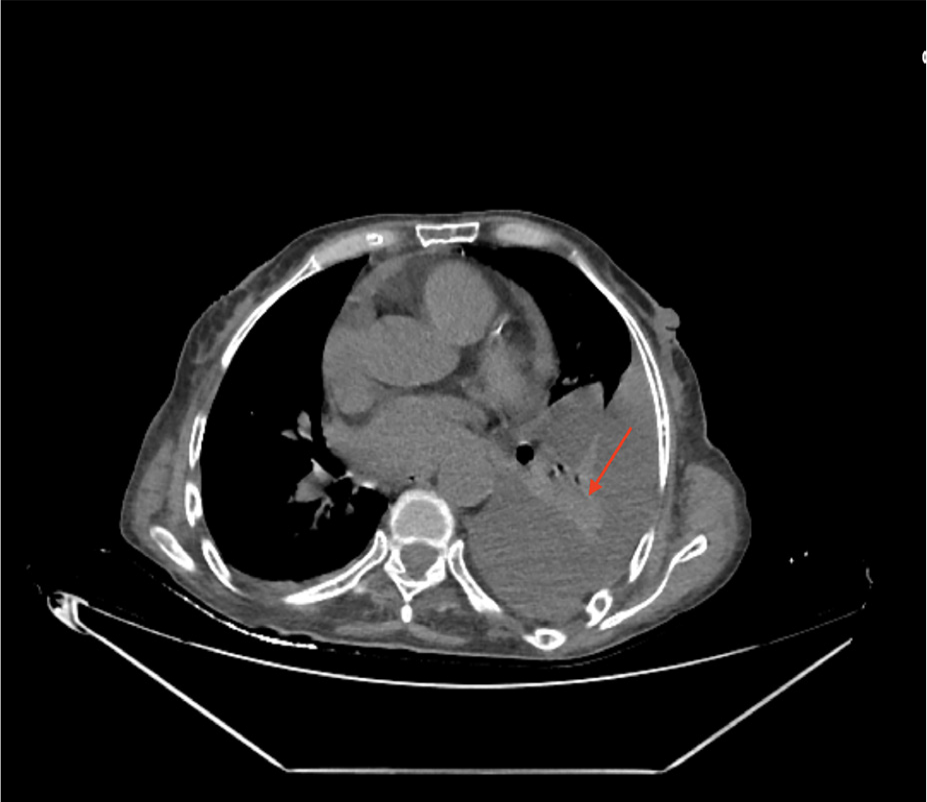
CT: Computed tomography
Table 1. Antibacterial minimum inhibitory concentration results for Salmonella spp. in the blood culture
Antimicrobial agent | Minimum inhibitory concentration (mg/mL) | Sensitivity |
|---|---|---|
Amikacin | ≤8 | Resistant |
Ampicillin | ≤4 | Sensitive, standard dose |
Ampicillin/sulbactam | ≤1/8 | Sensitive, standard dose |
Cefepime | ≤1 | Sensitive, standard dose |
Ceftazidime | ≤1 | Sensitive, standard dose |
Ceftriaxone | ≤1 | Sensitive, standard dose |
Ciprofloxacin | <0.0625 | Sensitive, standard dose |
Ertapenem | ≤0.25 | Sensitive, standard dose |
Gentamicin | ≤2 | Resistant |
Imipenem | ≤0.25 | Sensitive, standard dose |
Levofloxacin | ≤0.5 | Sensitive, standard dose |
Meropenem | ≤0.125 | Sensitive, standard dose |
Piperacillin/tazobactam | ≤4/4 | Sensitive, standard dose |
Trimethoprim/sulfamethoxazole | ≤2/38 | Sensitive, standard dose |
To investigate the source of infection, abdominal CT was performed, which revealed a 43-mm fluid collection with gas formation in the right psoas muscle (). Magnetic resonance (MR) cholangiography further suggested bilateral psoas collections, extending up to 9 cm on coronal T2-weighted images (). CT-guided percutaneous drainage of the abscess was accordingly performed, and the culture of the aspirate again grew Salmonella spp. (serovar not identified; MALDI-TOF MS score 2.070). Following the emergence of ciprofloxacin resistance, therapy was switched to ceftriaxone 2 g IV every 12 h ().
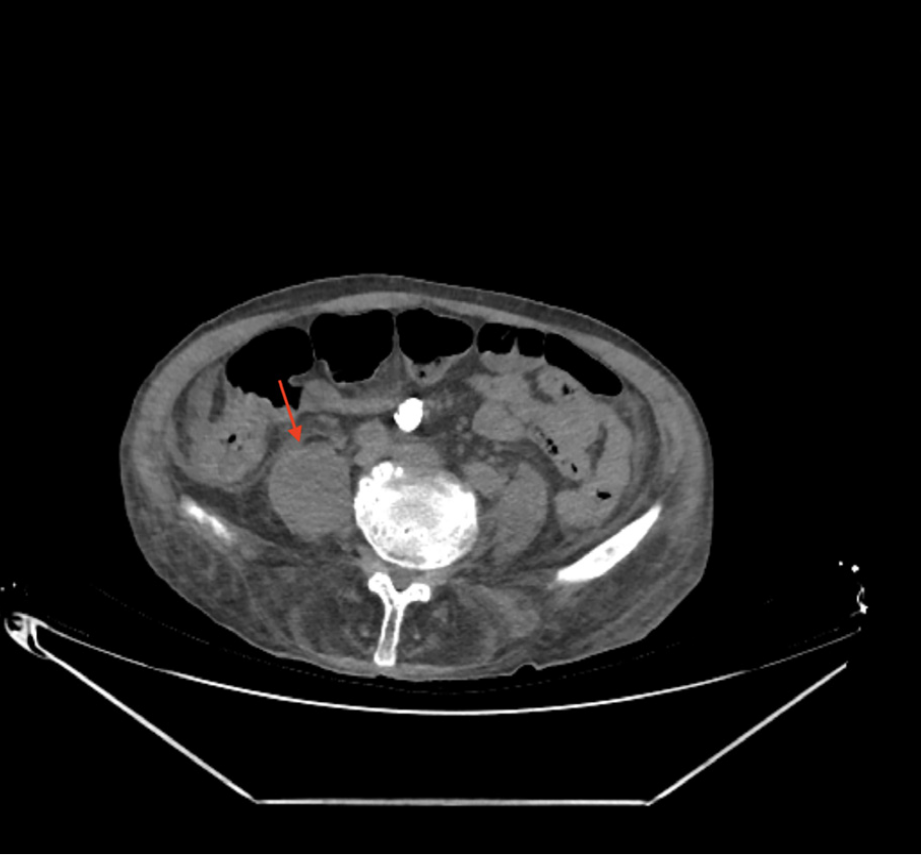
CT: Computed tomography
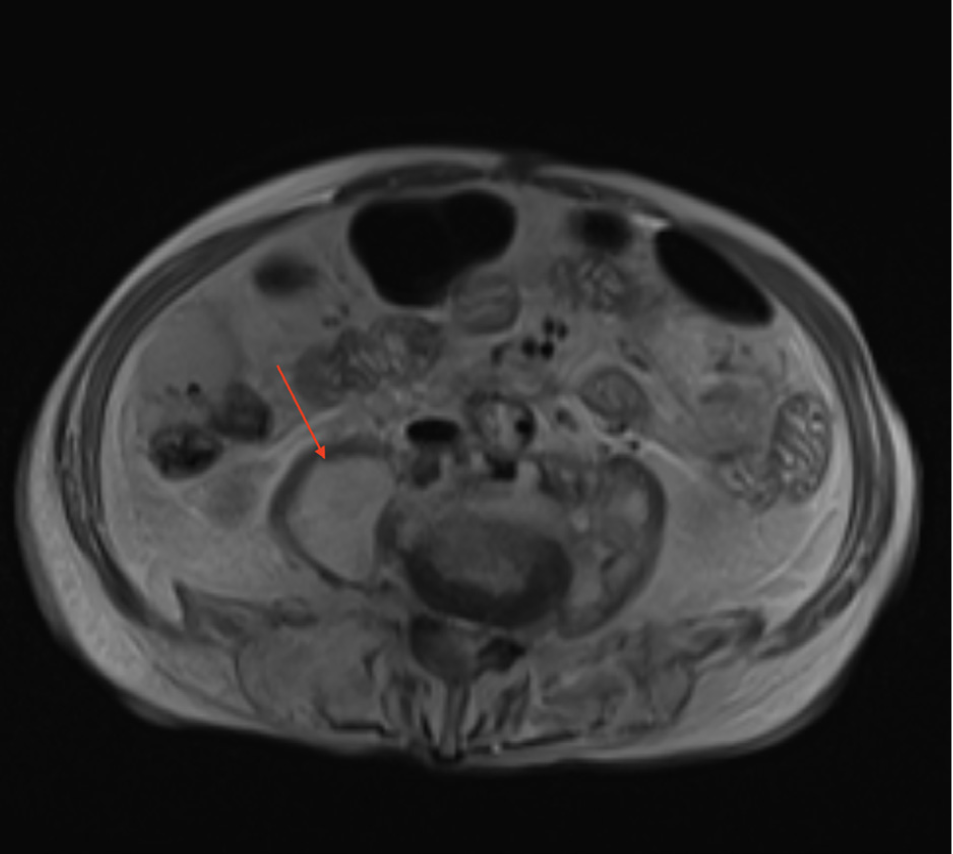
MRI: Magnetic resonance imaging
Table 2. Antibacterial minimum inhibitory concentration results for Salmonella spp. in the abscess culture
Antimicrobial agent | Minimum inhibitory concentration (mg/mL) | Sensitivity |
|---|---|---|
Amikacin | ≤8 | Resistant |
Ampicillin | ≤4 | Sensitive, standard dose |
Ampicillin/sulbactam | ≤1/8 | Sensitive, standard dose |
Cefepime | ≤1 | Sensitive, standard dose |
Ceftazidime | ≤1 | Sensitive, standard dose |
Ceftriaxone | ≤1 | Sensitive, standard dose |
Ciprofloxacin | >1 | Resistant |
Ertapenem | ≤0.25 | Sensitive, standard dose |
Gentamicin | ≤2 | Resistant |
Imipenem | ≤0.25 | Sensitive, standard dose |
Levofloxacin | >2 | Resistant |
Meropenem | ≤0.125 | Sensitive, standard dose |
Piperacillin/tazobactam | ≤4/4 | Sensitive, standard dose |
Trimethoprim/sulfamethoxazole | ≤2/38 | Sensitive, standard dose |
The patient’s history included hospitalization 3 months ago for Salmonella bacteremia after an episode of gastroenteritis, which was treated with a 14-day course of ceftriaxone. At that time, stool cultures were negative, and abdominal imaging showed no abscess formation. During the current admission, her condition progressively deteriorated, requiring transfer to the intensive care unit. Follow-up thoracic CT revealed recurrent pleural effusion (8 cm) and multiple mediastinal lymph nodes. Pleural drainage was performed, though cultures were negative. Ceftriaxone therapy was continued.
Further evaluation for possible spondylodiscitis was planned, but MR imaging (MRI) with contrast could not be performed due to worsening renal function. Positron emission tomography imaging was scheduled; however, the patient’s condition declined further, and she ultimately succumbed to her illness.
Literature Review
A comprehensive literature review was conducted with reference to the PubMed, Scopus, and Web of Science databases, covering studies published from database inception through May 2025. The search strategy employed the keywords “Salmonella” and “psoas abscess” and was restricted to adult patients (age ≥18 years). Only English-language case reports were considered, whereas pediatric cases were excluded.
From the retrieved literature, cases were screened for eligibility based on the availability of summary or full-text data. Extracted variables included demographic characteristics, clinical presentation, underlying risk factors, immune status, culture results, antimicrobial therapy, and clinical outcomes. A total of 33 cases were identified as such, of which 29 adult cases met the inclusion criteria for detailed analysis. An overview of the study selection process and the summarized case characteristics is illustrated in .
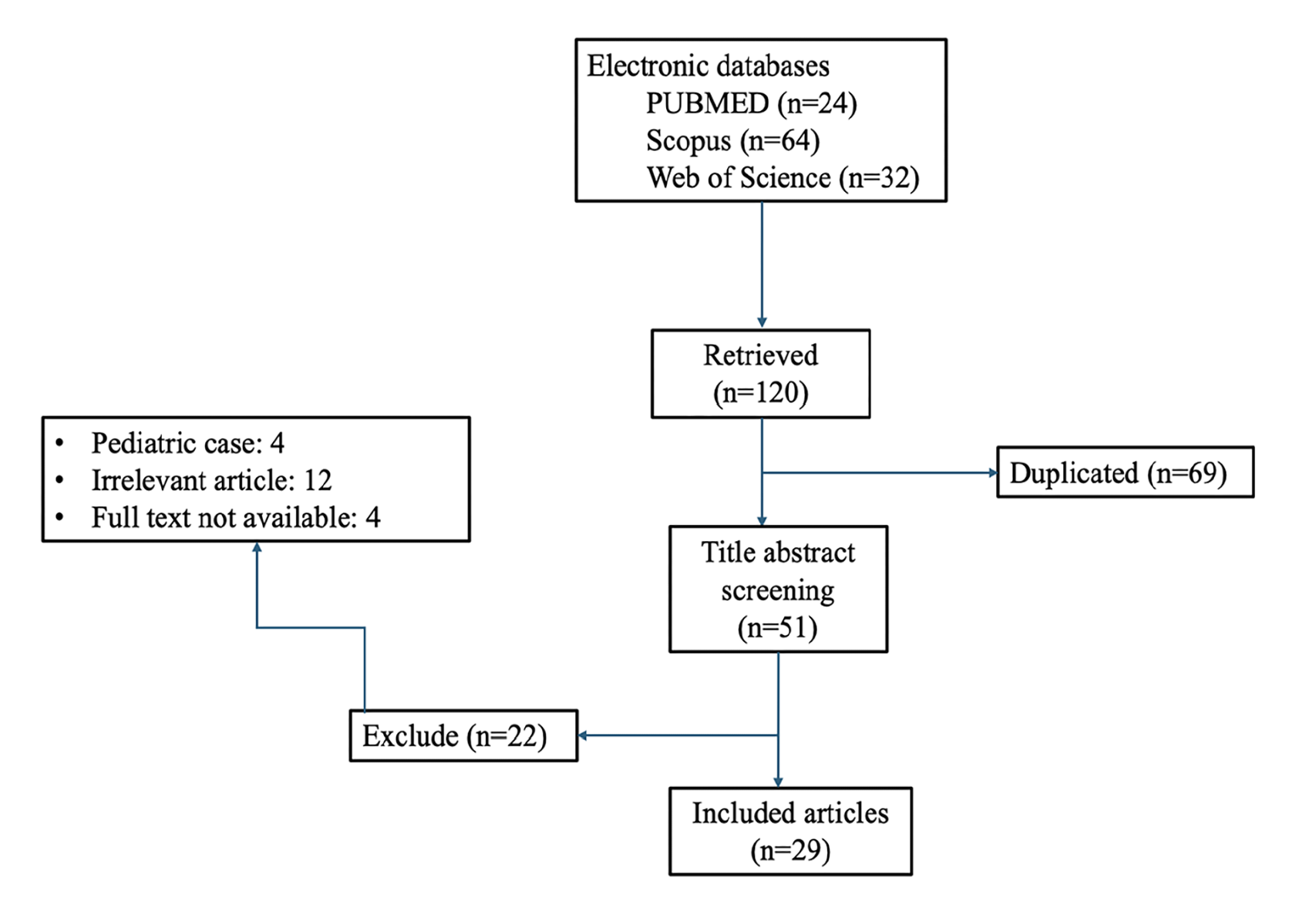
MRI: Magnetic resonance imaging
Discussion
Salmonella-induced psoas abscess is an exceptionally rare clinical entity. Our review of the English-language literature identified 33 reported cases, of which 29 adult cases with accessible summary or full-text data were analyzed. The mean patient age was 55.4 years, and 72% (n=21) of them were male. The most frequently reported symptoms were fever (65%, n=19), back pain (41%, n=12), and hip pain (38%, n=11). Commonly identified risk factors included diabetes mellitus (17%, n=5), steroid use (7%, n=2), and malignancy (7%, n=2), although 45% (n=13) of patients had no known underlying conditions (). In our case, the main risk factor was multiple myeloma, which is a hematologic malignancy associated with profound immunosuppression.
Table 3. Characteristics of patients with psoas abscess induced by Salmonella
Reference | Age/ gender | Symptoms | Risk factor(s) | Source of the positive culture | Salmonella spp. | Other infection focus | Drainage | Treatment | Outcome |
|---|---|---|---|---|---|---|---|---|---|
Reichle et al.[5] | 51/M | Fever and back pain | None | Blood, abscess, urine, aneurysm, and stool | S. typhimurium | Aortic wall aneurysm | Yes | Chloramphenicol* | Cured |
Kanwar et al.[6] | 56/M | Fever | None | Blood, abscesses, and urine | S. enteritidis | Perinephric abscess, aortic wall | Yes | Chloramphenicol* | Death |
Yu[7] | 63/F | Prolonged fever for two weeks | None | Abscess | S. group B | None | Yes | Ciprofloxacin* | Cured |
Lortholary et al.[8] | 40/F | Fever, back, and joint pain | History of typhoid fever and psoas abscess | Abscess | S. typhi | None | Yes | Following ceftriaxone and amikacin, and ciprofloxacin for 8 weeks | Cured |
Inufusa et al.[9] | 56/M | Fever, chills, and low-back pain | None | Abscess | S. dublin | Rupture of the infected abdominal aortic aneurysm | Yes | 8 weeks* | Cured |
Heyd et al.[10] | 75/F 74/F | Left hip pain and fever Fever, right groin, hip, and upper thigh pain | Steroid treatment for ITP Chronic steroid treatment for MG | Blood and urine Blood | S. enteritidis S. enteritidis | None None | Yes Yes | Ciprofloxacin* Ciprofloxacin* | Cured Cured |
Carnevalini et al.[11] | 63/M | Fever, abdominal pain | DM, abdominal aortic aneurysm rupture surgery | Abscess | S. typhimurium | Aorto-bisiliac graft infection, Abdominal aortic mycotic aneurysm | Yes | Ciprofloxacin 10 weeks | Cured |
Shakespeare et al.[12] | 32/M | Left lower back and left inguinal pain | None | Abscess | S. typhi | None | Yes | Cefotaxime 5 weeks | Cured |
Jean et al.[13] | 50/FM | Abdominal pain | Hemodylasis | Blood and abscess | S. choleraesuis | None | Yes | Imipenem 6 weeks | Cured |
Altay et al.[14] | 56/M | Abdominal and back pain, fever, cough, and sputum | DM hemodialysis, S. infection history | Blood, abscesses, and urine | S. choleraesuis | Lumbar osteomyelitis | Yes | Ciprofloxacin 6 weeks | Cured |
Navin et al.[15] | 21/F | Painful restriction of movement of the left hip | None | Abscess | S. paratyphi A | Sacroiliitis and iliac bone osteomyelitis | Yes | Following ciprofloxacin, TMP/SMX for 6 weeks | Cured |
Reddix et al.[16] | 36/F | Fever, left hip, thigh, and buttock pain | None | Abscess | S. enterica | Sacroiliac joint involvement | Yes | Ceftriaxone (4 weeks) and TMP/SMX (6 months) | Cured |
Compain et al.[17] | 64/M | Fever and right hip pain | Total left hip arthroplasty for osteoarthritis | Synovial fluid | Non-typhi S. | Septic arthritis of the hip | Yes | Ceftriaxone and ciprofloxacin* | Cured |
Learch et al.[18] | 75/M | Abdominal and back pain | DM | Blood and abscess | S. enterica | Aortic aneurysm, paravertebral abscess | Yes | No information | Cured |
Zheng et al.[19] | 42/M | Fever and back pain | None | Abscess | S. group B | Thoracal osteomyelitis | Yes | Following iv levofloxacin and TMP/SMX, moxifloxacin (oral) 6 weeks | Cured |
Hirai et al.[20] | 52/M | Fever and back pain | DM | Blood, epidural fluid, and stool | S. altona | Epidural abscess and spondylodiscitis | Yes | Following ceftriaxone and ciprofloxacin for 12 weeks | Cured |
Kuo et al.[21] | 52/M | Left hip pain | Aplastic anemia | Blood and abscess | S. O9 (Group D) | Osteomyelitis | Yes | Ciprofloxacin 10 months | Cured |
Abu Bakar et al.[22] | 66/F | Fever, epigastric pain that radiated to the back | None | Blood | S. paratyphi B. | Paraaortic abscess | No (It was denied by the patient) | Following Ceftriaxone (4 weeks), oral ciprofloxacin | Cured |
Yanagisawa et al.[23] | 53/M | Fever and right groin pain | HIV positivity | Abscess | S. enterica subsp. enterica serovar Enteritidis | None | Yes | Ciprofloxacin* | Cured |
Aoyama et al.[24] | 71/M | Fever and stupor | Gastric cancer | Blood | S. choleraesuis ssp. | None | No (Because of thrombocytopenia) | Ceftriaxone 2 weeks | Death |
Farrar et al.[25] | 65/M | Polyuria, polydipsia, back pain, and dysuria | DM | Blood and bone byopsia | S. enterica | Spondilodiscitis and an epidural abscess | Yes | Following meropenem, Fuscidic acid, and ertapenem for 8 weeks | Cured |
Bhosale and Sanjay[26] | 59/M | Abdominal pain | HT | Abscess | S. parathyphi A | None | Yes | No information | Cured |
Peker et al.[27] | 55/M | Hip pain, restriction of movements | Chronic renal failure | Abscess | S. spp. | Septic arthritis of the hip | Yes | Ciprofloxacin 6 weeks | Cured |
Lucia et al.[4] | 77/M | Hip pain | Prostate cancer | Blood | S. enterica | Lumbar osteomyelitis | No (It was denied by the patient) | Ceftriaxone (10 days), levofloxacin (8 weeks) | Cured |
Ghazanfar et al.[28] | 22/F | Back pain | None | Urine | S. enterica | Urine, septic arthritis | No | Ceftriaxone and levofloxacin 6 weeks | Cured |
Ng and Heng[29] | 80/M | Fever | History of intra-abdominal surgery (cholecystectomy) | Blood | S. enteritidis | None | Yes | No information | Cured |
Mousselli et al.[30] | 50/M | Fever, back pain, and hip pain | None | Blood | S. enterica | Epidural phlegmon | No | Ceftriaxone and levofloxacin (6 weeks) | Cured |
Kumar et al.[31] | 18/M | Fever and right hip pain | None | Blood | S. typhi | Sacroiliitis | No | Following ceftriaxone, ciprofloxacin* | Cured |
Present case | 65/F | Fever, nausea, and vomiting | Multiple myeloma | Blood and abscess | S. spp. | None | Yes | Ciprofloxacine (2 weeks), ceftriaxone (4 weeks) | Death |
*Clear information is not given about the duration of treatment. **Antibiotic type not specified. M: Male, F: Female, DM: Diabetes mellitus, HT: Hypertension, HIV: Human Immunodeficiency Virus, TMP/SMX: Trimethoprim sulfamethoxazole, ITP: Immune thrombocytopenic purpura, MG: Myasthenia graves
Psoas abscesses are typically classified as primary, arising from hematogenous or lymphatic spread, or secondary, resulting from contiguous spread of nearby infections[]. In several cases, the distinction is challenging. In our review, concurrent infections such as vertebral osteomyelitis/spondylodiscitis (24%, n=7) and sacroiliitis/septic arthritis (21%, n=6) were identified, whereas 34% (n=10) had no additional infectious focus. Our patient had a prior episode of Salmonella bacteremia following gastroenteritis 3 months earlier, with no evidence of abscess formation at that time. This clinical course suggested hematogenous seeding as the likely mechanism of a primary abscess.
Imaging plays a central role in diagnosis. CT remains the gold standard owing to its high sensitivity and specificity, although MRI and ultrasound may be valuable, especially for early detection or in patients where radiation exposure is a concern[]. Microbiological confirmation through blood and abscess cultures is critical for guiding targeted therapy[]. In the reviewed cases, abscess cultures were positive in 59% (n=17), blood cultures in 55% (n=16), and both in 21% (n=6) of the patients. In our patient, both blood and abscess cultures grew Salmonella spp., although serotyping was not performed.
Optimal management generally requires a combination of antibiotics and drainage, either percutaneous or surgical. Reported antibiotic regimens include fluoroquinolones, ampicillin, trimethoprim/sulfamethoxazole, and third-generation cephalosporins[, ]. In our review, drainage was performed in 79% (n=23) of the cases. Treatment duration varied between 5 weeks and 10 months, with most patients achieving full recovery. In the present case, intravenous ciprofloxacin was initiated based on blood culture results, but resistance was later detected in the abscess culture, necessitating a switch to ceftriaxone. Despite applying appropriate therapy and drainage, the patient’s condition deteriorated, and she ultimately died.
Although most cases in the literature showed favorable outcomes, two fatalities were reported. One involved a previously healthy 56-year-old male with a perinephric abscess and aortic wall involvement, likely complicated by vascular compromise[]. The second occurred in a 71-year-old male with gastric cancer; treatment failure was likely influenced by inadequate drainage, a short antibiotic course, and immunosuppression[]. In our patient, multiple myeloma-related immunosuppression, the emergence of ciprofloxacin resistance, and progressive clinical decline despite appropriate interventions likely contributed to the fatal outcome. Collectively, these cases emphasize the importance of timely diagnosis, effective drainage, and careful consideration of host factors and antimicrobial resistance in determining prognosis.
This report has certain limitations. First, the Salmonella strain was not serotyped, which restricted comparisons with previously published cases. Second, ciprofloxacin resistance could not be assessed at the molecular level, which limited our understanding of underlying resistance mechanisms in this context.
Conclusion
Salmonella-induced psoas abscess is an uncommon but clinically significant condition, and it has been reported in both immunocompetent and immunocompromised individuals. Although most patients achieve favorable outcomes with timely antibiotics and drainage, prognosis worsens with delayed diagnosis, antimicrobial resistance, or underlying immunosuppression. Clinicians should therefore maintain a high index of suspicion in cases of Salmonella bacteremia presenting with musculoskeletal symptoms to facilitate early recognition and optimal management.
Footnotes
Ethics
Informed Consent: In this case report, informed consent has been taken from the patient, and there is not any specific data in the manuscript identifying the patient.
Authorship Contributions
Surgical and Medical Practices: İ.Ö.K., H.T., Concept: Y.Ç.K., Design: Y.Ç.K., Data Collection or Processing: İ.Ö.K., H.T., Analysis or Interpretation: İ.Ö.K., H.T., Literature Search: Y.Ç.K., Writing: Y.Ç.K., İ.Ö.K., H.T.
Conflict of Interest: No conflict of interest was declared by the authors.
Financial Disclosure: The authors declared that this study received no financial support.
References
Gal-Mor O, Boyle EC, Grassl GA. Same species, different diseases: how and why typhoidal and non-typhoidal Salmonella enterica serovars differ. Front Microbiol. 2014;5:391.
Çakır Kıymaz Y, Özbey M. Pleural empyema caused by Salmonella in a immunosuppressed patient: A case report and literature review. FLORA. 2025;30:230-9.
Makhoul E, Yazbeck C, Zaarour A, Chelala A, Ajami B, Jreige W. Acute pancreatitis and aseptic meningitis: Rare complications of Salmonella paratyphi infection. Arab J Gastroenterol. 2015;16:29-30.
Shields D, Robinson P, Crowley TP. Iliopsoas abscess—a review and update on the literature. Int J Surg. 2012;10:466-9.
Lucia MH, Manuel PJ, Angel LJ, Gabriel GS, Javier GC. Lumbar Salmonella osteomyelitis with psoas muscle abscess in a patient with prostate cancer. IDCases. 2020;21:e00887.
Reichle FA, Tyson RR, Soloff LA, Lautsch EV, Rosemond GP. Salmonellosis and aneurysm of the distal abdominal aorta: case report with a review. Ann Surg. 1970;171:219-28.
Kanwar YS, Malhotra V, Andersen BR, Pitz CG. Salmonellosis associated with abdominal aortic aneurysm. Arch Intern Med. 1974;134:1095-98.
Yu WL. Primary Salmonella iliopsoas abscess: a case report. Zhonghua Yi Xue Za Zhi (Taipei). 1999;62:239-43.
Lortholary O, Jarrousse B, Attali P, Hoang JM, Brauner M, Guillevin L. Psoas pyomyositis as a late complication of typhoid fever. Clin Infect Dis 1995;21:1049-50.
Inufusa A, Mikawa Y, Morita I, Fujiwara T. Ruptured abdominal aortic aneurysm associated with a psoas abscess. Arch Orthop Trauma Surg. 2002;122:306-7.
Heyd J, Meallem R, Schlesinger Y, Rudensky B, Hadas-Halpern I, Yinnon AM, Raveh D. Clinical characteristics of patients with psoas abscess due to non-typhi Salmonella. Eur J Clin Microbiol Infect Dis. 2003;22:770-3.
Carnevalini M, Faccenna F, Gabrielli R, Irace L, Dell’isola S, d’Ettorre G, Vullo V, Mastroianni CM. Abdominal aortic mycotic aneurysm, psoas abscess, and aorto-bisiliac graft infection due to Salmonella typhimurium. J Infect Chemother. 2005;11:297-9.
Shakespeare WA, Davie D, Tonnerre C, Rubin MA, Strong M, Petti CA. Nalidixic acid-resistant Salmonella enterica serotype Typhi presenting as a primary psoas abscess: case report and review of the literature. J Clin Microbiol. 2005;43:996-8.
Jean SS, Lee YT, Guo SM, Hsueh PR. Recurrent infections caused by cefotaxime- and ciprofloxacin-resistant Salmonella enterica serotype choleraesuis treated successfully with imipenem. J Infect. 2005;51:e163-5.
Altay M, Kanbay M, Kurultak I, Altay FA, Aydogan T, Akcay A, Duranay M. A case of bilateral psoas abscesses and lumbar osteomyelitis due to recurrent salmonella infection. J Natl Med Assoc. 2006;98:1855-6.
Navin P, Thambu DS, Venugopal R, Subhash HS, Thomas K. Salmonella paratyphi osteomyelitis and psoas abscess. Trop Doct. 2006;36:58-9.
Reddix RN Jr, Montoya JP, Hurley DL. Late recurrent Salmonella sacroiliac osteomyelitis with psoas abscess in a non-sickle cell adult: case report. Am J Orthop (Belle Mead NJ). 2007;36:E5-6.
Compain C, Michou L, Orcel P, Hannouche D, Richette P. Septic arthritis of the hip with psoas abscess caused by Non-typhi Salmonella infection in an immunocompetent patient. Joint Bone Spine. 2008;75:67-9.
Learch TJ, Sakamoto B, Ling AC, Donovan SM. Salmonella spondylodiscitis associated with a mycotic abdominal aortic aneurysm and paravertebral abscess. Emerg Radiol. 2009;16:147-50.
Zheng X, Wang J, Wu C, Mehbod AA. Salmonella osteomyelitis of multiple ribs and thoracic vertebra with large psoas muscle abscesses. Spine J. 2009;9:e1-4.
Hirai N, Kasahara K, Yoshihara S, Nishimura T, Ogawa Y, Ogawa T, Hishiya N, Suzuki Y, Yano H, Yoshikawa M. Spinal epidural abscess caused by non-typhoidal Salmonella : a case report and literature review. J Inf Chemother. 2010;26:1073-77.
Kuo CC, Ku SC, Wang JT, Tsai CW, Wu VC, Chou WC. Psoas abscess caused by non-typhoid Salmonella in a patient with severe aplastic anemia. Yonsei Med J. 2010;51:472-4.
Abu Bakar A, Ngiu CS, Mohamad Said MS, Periyasamy P. Salmonella related mycotic aneurysm with psoas and paraortic abscess treated conservatively. Ann Acad Med Singap. 2011;40:467-8.
Yanagisawa N, Muramatsu T, Imamura A, Ajisawa A. Psoas abscess due to Salmonella infection. Intern Med. 2012;51:1147.
Aoyama M, Nemoto D, Matsumura T, Hitomi S. A fatal case of iliopsoas abscess caused by Salmonella enterica serovar Choleraesuis that heterogeneously formed mucoid colonies. J Infect Chemother. 2015;21:395-7.
Farrar H, Abbey A, Patel V, Nair R. Osteomyelitis, discitis, epidural and psoas abscess secondary to Salmonella enterica in a man with diabetes mellitus and newly diagnosed α-thalassaemia trait. BMJ Case Rep. 2015;2015:bcr2014207008.
Bhosale A, Sanjay K. Primary iliopsoas abscess caused by Salmonella paratyphi AA rare case. J Clin Diagn Res. 2018;12:3-4.
Peker G, Kasap B, Bala MM. Treatment of Psoas abscess related coxarthrosıs due to salmonella infection in a patient wıth chronic renal failure. A case report. Ann Ital Chir. 2020;9:S2239253X20032521.
Ghazanfar H, Ali NN, Cindrich RB, Matela A. A microbiologist’s Mexico trip ends with multiple tiny ring-like pelvic abscesses. Am J Case Rep. 2020;21:e922221.
Ng JH, Heng KWJ. Infected native aortic aneurysm with spondylodiscitis in an elderly septic man with back pain. BMJ Case Rep. 2021;14:e235439.
Mousselli M, Chiang E, Frousiakis P. Epidural phlegmon and iliopsoas abscess caused by Salmonella enterica bacteremia: A case report. Int J Surg Case Rep. 2022;96:107287.
Kumar B, Agarwal D, Meena DS, Kumar D, Sureka B. Case report: Salmonella typhi iliopsoas abscess with concomitant sacroiliitis in a young immunocompetent male: a rare case. Am J Trop Med Hyg. 2024;111:297-9.
Al-Khafaji MQ, Al-Smadi MW, Al-Khafaji MQ, Aslan S, Al-Khafaji YQ, Bagossy-Blás P, Al Nasser MH, Horváth BL, Viola Á. Evaluating imaging techniques for diagnosing and drainage guidance of psoas muscle abscess: a systematic review. J Clin Med. 2024;13:3199.